Introduction
In the vibrant world of dance, aspiring dancers often find themselves at a crossroads: should they pursue professional training before enrolling in a dance academy? Dance is an art form that transcends boundaries, expressing emotion, culture, and identity through movement. However, the debate surrounding the necessity of prior training has sparked various opinions among enthusiasts. This article aims to explore the various dimensions of this question—“Is Professional Training Necessary Before Enrolling in a Dance Academy?”—by examining the benefits of professional training, the nature of dance academies, and insights from seasoned professionals in the field.
Understanding Dance Academies
What is a Dance Academy?
A dance academy is an educational institution dedicated to teaching various forms of dance. These academies offer structured programs that cater to students of all levels—from beginners to advanced dancers. The curriculum typically includes ballet, jazz, hip-hop, contemporary, and other styles, often complemented by choreography, performance skills, and even history lessons about dance.
Types of Dance Academies
- Classical Ballet Schools: Focused on traditional ballet techniques and performances. Contemporary Dance Academies: Offering modern styles that emphasize expression and innovation. Street Dance Institutions: Catering to urban styles like hip-hop and breakdancing. Multi-Disciplinary Studios: Providing a blend of several dance genres under one roof.
The Importance of Accreditation
When considering whether to enroll in a dance academy, prospective students should look into the institution's accreditation. Accredited academies often provide higher quality education tailored towards professional development.
Why Choose a Dance Academy?
Enrolling in a dance academy can be beneficial for many reasons:
- Structured Learning: Students receive guidance from experienced instructors. Networking Opportunities: Meeting other dancers can open doors for future collaborations. Performance Experience: Many academies offer opportunities to perform publicly.
Is Professional Training Necessary Before Enrolling in a Dance Academy?
The question at hand—“Is Professional Training Necessary Before Enrolling in a Dance Academy?”—deserves thoughtful consideration. On one side of the argument lies the belief that prior training can provide foundational skills essential for success in an academy setting.
Advantages of Prior Training
Skill Development: Prior training sharpens basic techniques such as posture and rhythm. Confidence Boost: Being familiar with basic moves can ease anxiety when starting at an academy. Faster Progression: Students with previous experience often advance more quickly through levels.Counterarguments
However, some argue against the necessity of prior training:
Diverse Backgrounds: Many students come from different experiences; unique styles can enrich the learning environment. Individual Pace: Every dancer learns at their own pace; some may thrive without formal training. Natural Talent: Passion and dedication can sometimes outweigh technical proficiency.Personal Experiences in Dance Academies
Testimonials from Experienced Dancers
Many seasoned dancers have shared their journeys regarding formal training before joining academies. For instance:
“I started dancing at home before enrolling in an academy; I had no formal training but found my rhythm once I was there.” — Jenna L., Professional Contemporary Dancer.
Success Stories Without Formal Training
Numerous accomplished dancers have emerged from non-traditional backgrounds or self-taught experiences. Their stories serve as inspiration to those who may feel discouraged by their lack of formal training.
Benefits of Professional Training
Enhanced Technique and Knowledge
Professional training provides dancers with valuable insights into body mechanics, style nuances, and historical context related to different forms of dance.
Networking Opportunities
Engaging with professional trainers opens up avenues for networking within the industry—vital for securing roles in performances or choreographic projects.
Improved Performance Skills
Training also emphasizes performance skills such as stage presence, emotional expression, and audience interaction—all crucial for success in any dance setting.
The Role of Passion in Dance Education
Why Passion Matters More Than Experience
At its core, dancing is about passion—the desire to express oneself through movement transcends technical ability. A passionate dancer may outperform someone with years of formal experience but lacking enthusiasm.
Cultivating Passion Through Exposure
Exposure to different dance forms early on can ignite passion even without formal instruction; hence it’s essential not to overlook informal classes or workshops available locally.
The Curriculum Overview at Dance Academies
Typical Course Offerings
Most dance academies feature courses ranging from foundational techniques to advanced choreography:
| Course Type | Description | Duration | |----------------------|----------------------------------------------|------------| | Beginner Classes | Introduction to basic movements & Look at more info concepts | 12 weeks | | Intermediate Levels | Focus on technique refinement | 16 weeks | | Advanced Workshops | Specialized techniques & choreography | Ongoing |
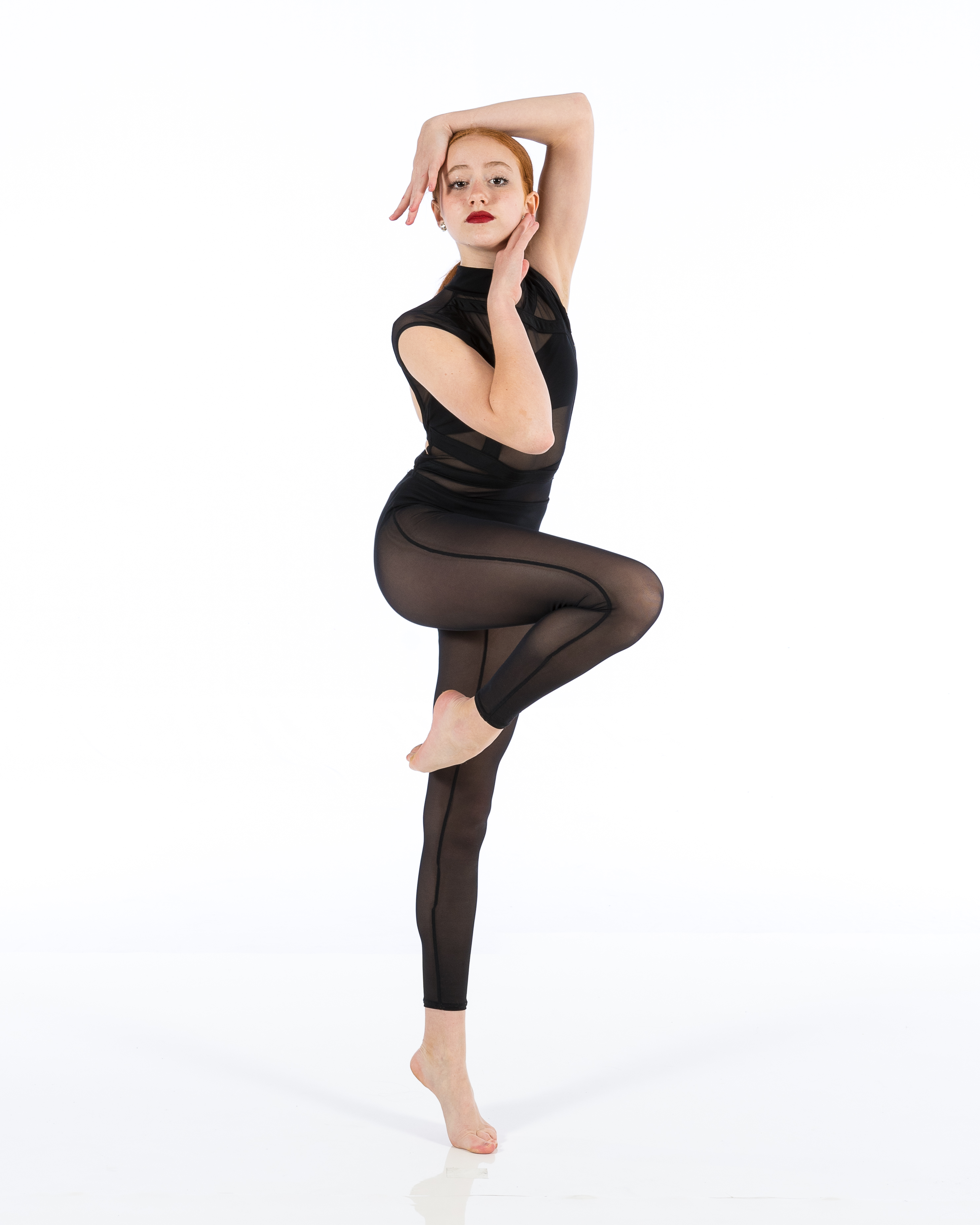
The Importance of Flexibility
A well-rounded curriculum should accommodate varying skill levels while providing room for individual growth trajectories within each class offering.
Training Methods Utilized by Professionals
Different professionals utilize various methods when guiding students through their learning process:
One-on-One Instruction Group Classes Workshops with Guest Artists Online CoursesThese methods can significantly impact how effectively students grasp concepts taught during their time at an academy.
FAQs About Professional Training Before Joining a Dance Academy
1. Do I need prior experience before joining a dance academy?
While not strictly necessary, prior experience can help you adapt quicker within structured classes at an academy.
2. What if I have no background but want to pursue dancing?
Many successful dancers started without any formal background! Enthusiasm often trumps technical skill when beginning your journey.
3. Can I still improve as a dancer without professional training?
Absolutely! Continuous practice combined with feedback from instructors can lead you down the path toward improvement regardless of initial experiences.
4. How do I choose between different types of academies?
Consider your preferred style(s) and research their reputations; visiting academies for trial classes also helps gauge fit!
5. Are there scholarships available for aspiring dancers?
Yes! Many accredited institutions offer scholarships or financial aid based on merit or need; check directly with specific schools!
6. Can adult learners succeed in competitive environments?
Certainly! Adults bring life experiences that enhance learning capacity—there are numerous examples across multiple disciplines showcasing this potential!
Conclusion
In conclusion, whether professional training is necessary before enrolling in a dance academy largely depends on individual aspirations and circumstances surrounding each dancer’s personal journey into this captivating art form. While having prior experience undoubtedly offers advantages—from improved confidence levels heading into new environments—to those without it bringing fresh perspectives may equally benefit studios aiming for diversity among their cohorts!
Choosing to embark upon your dancing career involves understanding not only what groundwork will serve you best but also which pathways align most closely with your passions—and ultimately defining success on your terms!